Why Surface Matters
Surface is the #1 factor in ball motion. It controls traction, hook timing, and overall predictability more than core design or layout.
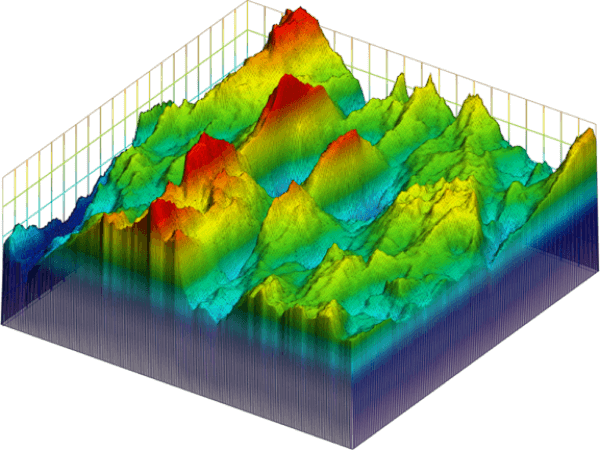
Think of surface like tire grip.
- Rougher = earlier traction and smoother motion
- Smoother = cleaner through the front and sharper backend
- Every grit change adjusts how your ball reads the lane
How Surface Affects Ball Motion
Every surface adjustment influences how early the ball reads the lane, how strong it hooks, and how consistent your motion will be.
Traction
How much the ball digs into the lane. Rougher surfaces increase traction and create earlier hook.
Hook Timing
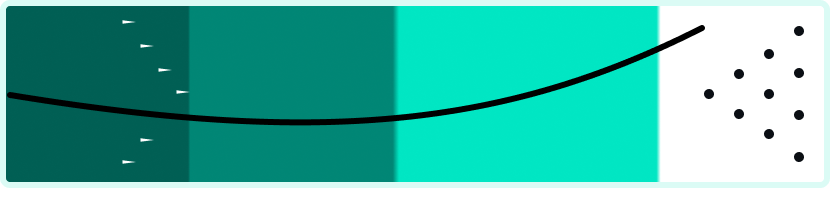
Controls when the ball transitions from skid → hook → roll. Higher grits delay the hook for more length.
Oil Response
How the ball handles friction and transition. Proper tuning reduces over/under and stabilizes motion.
Surface is the #1 tool bowlers use to influence motion.
Toggle between the grits to see how changing surface affects ball motion.
SKID
HOOK
ROLL
How Your Style Affects Surface Choice
Different player styles require different friction timing. Find your tendency and adjust accordingly.
High Ball Speed
Skids too far downlane
Low Revs
Struggles to create hook
High Revs
Hooks too early or too much
Down-and-In
Needs predictable control
Big Swing Player
Needs backend pop
Grit Levels & When to Use Them
Each grit creates a different level of traction.
180 GRIT
Heavy cut • Resurfacing only
- Restores deep surface texture
- Used for major resurfacing work
- Not recommended for lane play
- Prepares the shell before layering higher grits
360 GRIT
Extremely strong early traction
- Primarily a resurfacing grit
- Occasionally used on urethane
- Useful for very low rev / high speed bowlers
- Can help on extremely heavy, long patterns
500 GRIT
Maximum early traction
- Strongest early read
- Builds surface under polish
- Great for heavy oil
- Predictable midlane control
1000 GRIT
Balanced traction + control
- Versatile benchmark grit
- Good for most house shots
- Smoother backend motion
- Great when box finish is too sharp
2000 GRIT
The most popular surface
- Smooth transition shape
- Medium oil performance
- Predictable arc motion
- Tournament-friendly
3000 GRIT
Length with smooth backend
- Cleans the fronts easily
- Controlled backend
- Works in medium-to-dry
- Good for taming polish
4000 GRIT
Length + strong backend
- Delivers length + strong backend motion
- Great for light-medium oil
- More pop without full polish
- Often used before adding shine
POWER EDGE
Maximum length + sharp backend
- Cuts and polishes in one fast, efficient step
- Produces maximum length through the heads
- Creates a sharp, continuous backend motion
- Perfect for adding pop to smoother surfaces
How to Change the Surface of a Bowling Ball
Here's the clean, repeatable process bowlers and pro shops use to adjust ball motion quickly and consistently.
Clean the Ball
Remove oil and dirt with Reacta Clean or Reacta Foam. Clean surface = consistent sanding.
Choose Your Grit
Lower grits (500–1000) = earlier traction. Higher grits (3000–4000) = cleaner front, sharper backend.
Sand in a Cross-Pattern
Rotate the ball 4–6 times. Sand in overlapping circle motions with steady, even pressure.
Check Coverage
Make sure the entire track area is evenly touched. Random sanding = unpredictable reaction.
Optional: Add Polish
Use Power Edge Polish for length & pop. Use Reacta Shine for max skid–flip.
Wipe & Test
Remove dust, clean again, then throw shots. You may need a small adjustment to match the lane.
Video Tutorials
4:23
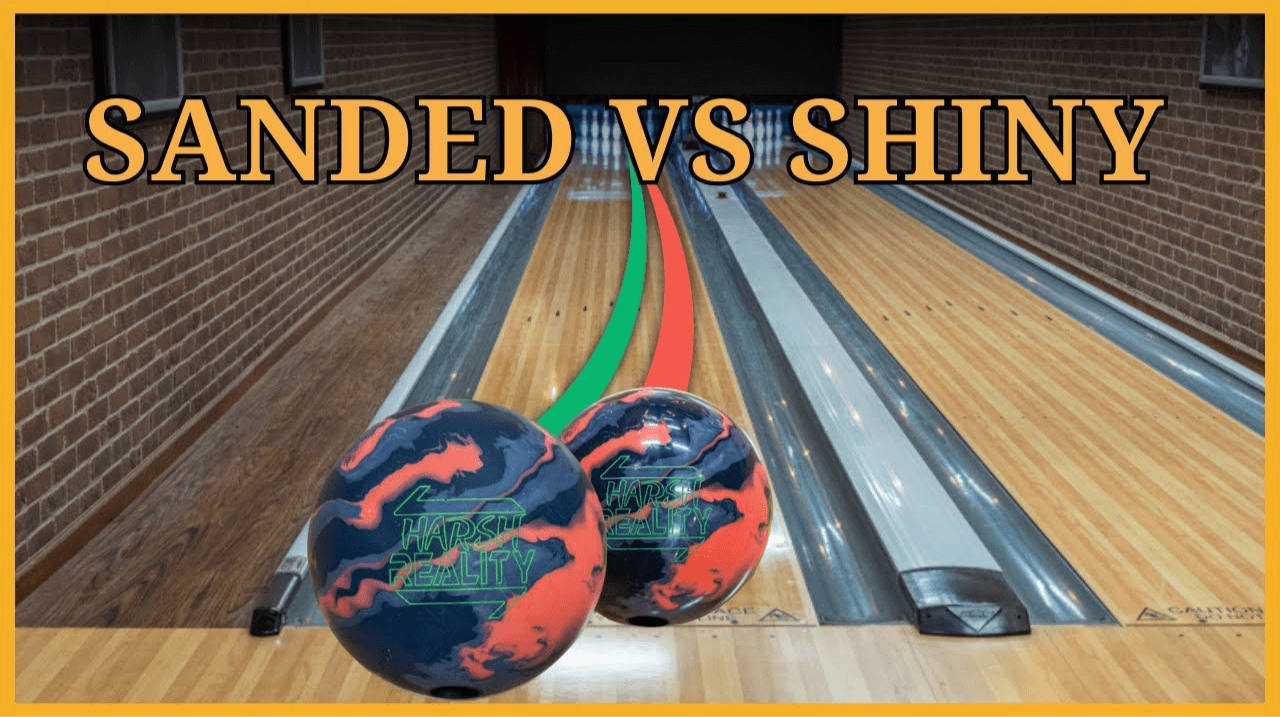
900 Global | Do This to Smooth Out Your Bowling Ball's Reaction
4:23
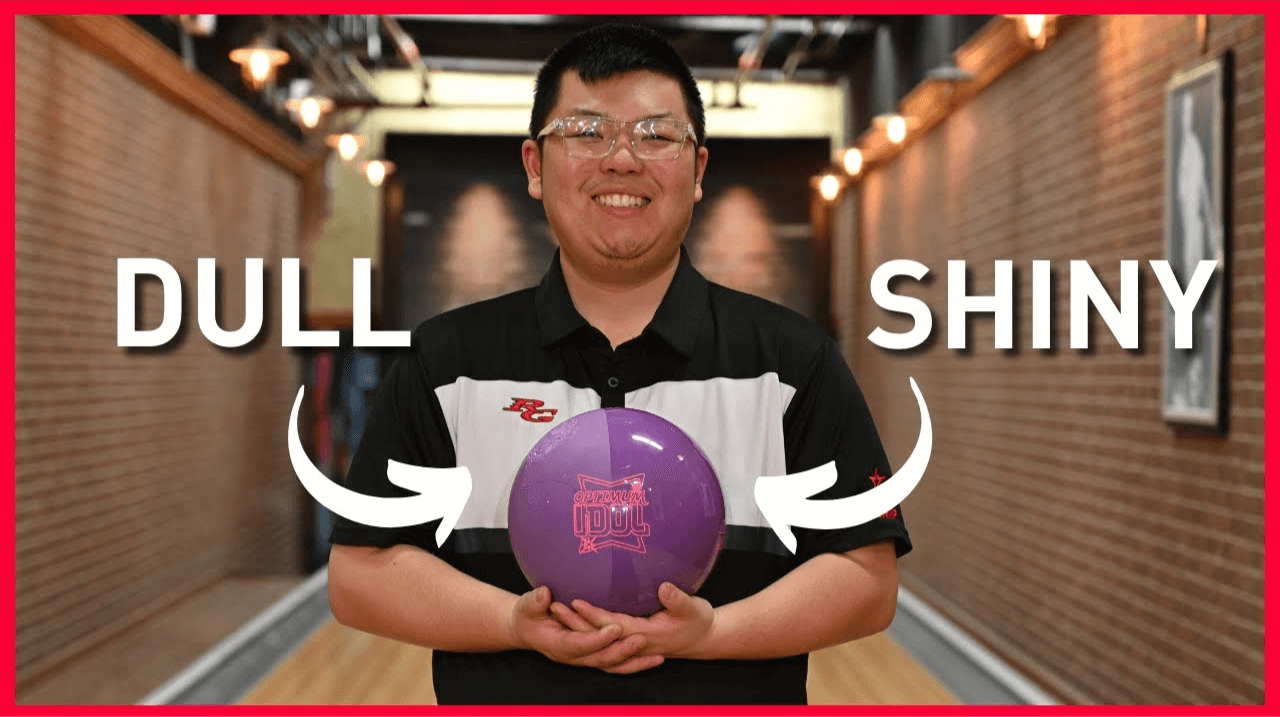
Roto Grip | Optimum Idol Surface Comparison
Find a Storm-Certified Pro Shop
Get professional maintenance and keep your equipment performing its best.
