Layouts
Why Layouts Matter
Layouts matter because they control how a ball uses energy as it travels down the lane. They influence flare, transitions, and overall shape — making them one of the biggest factors in creating a reliable, confident reaction.
Transforms Ball Motion
The same bowling ball can roll completely differently depending on its layout. Stronger layouts create earlier traction, while weaker layouts produce more length and smoother transitions.
Matches You to the Lane
Layouts help tune ball motion to your rev rate, speed, axis tilt, and the oil pattern. This ensures your equipment matches your style and the conditions you’re facing.
Improves Consistency
The right layout increases control and predictability. A mismatched layout can instantly ruin ball reaction, while the correct one brings out the full potential of the core and coverstock.
How to Choose a Layout
Choosing the right layout influences how your ball should store and release energy throughout the lane.
Match Your Speed–Rev Rate Ratio
Speed-dominant bowlers benefit from stronger layouts that help the ball read earlier. Rev-dominant players often prefer weaker or more control-oriented layouts to avoid early hook and create smoother transitions.
Consider the Oil Pattern & Lane Surface
Heavier or longer patterns call for layouts that create earlier traction and stability. Shorter or high-friction environments typically require more length and a smoother motion to control the backend. Layouts help fine-tune your reaction before adjusting surface.
Define the Ball’s Purpose: Benchmark or Specialty
Benchmark layouts (like 5 × 4 × 2) create balanced, readable shapes for most conditions. Strong layouts are used to control slick or fresh conditions, while weaker layouts help navigate friction, transition, and burn. Start with the purpose before selecting the numbers.
Your PAP Is Required for Accuracy
Layout numbers are applied from your Positive Axis Point — not from the grip, finger holes, or generic drilling positions. Two bowlers with the same layout numbers will have visibly different hole placements if their PAPs differ. Without an accurate PAP, you are not getting the layout you think you're choosing.
Why Your PAP Matters
Your Positive Axis Point (PAP) is the coordinate system used to place every layout. Without it, layout numbers cannot be applied correctly — and the ball will not react as intended.
1. PAP = Your Axis of Rotation
Your PAP marks the point your ball rotates around as it leaves your hand. It’s unique to your release and determines how layouts orient the core.
2. Layouts Are Measured From PAP
Numbers like 5 × 4 × 2 only make sense when measured from your PAP — not the finger holes or grip center.
3. Identical Layouts Can Look Different
Two bowlers can choose the same layout, but the holes will appear in different places if their PAPs differ. The core is being oriented to your track — not someone else’s.
4. No PAP = Wrong Layout
Without a measured PAP, the ball is drilled by guesswork. The intended layout is never actually created, leading to inconsistent or unpredictable motion.
Layout measurements begin at your PAP.
This is the foundation of accurate core orientation.
This is the foundation of accurate core orientation.
Understanding The Numbers
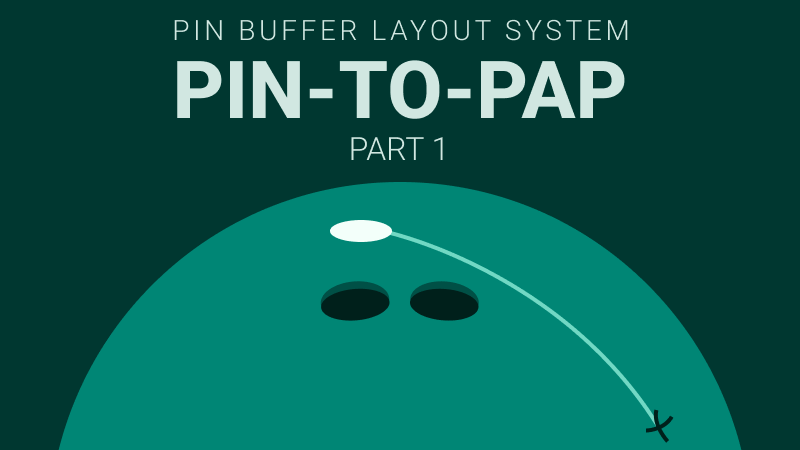
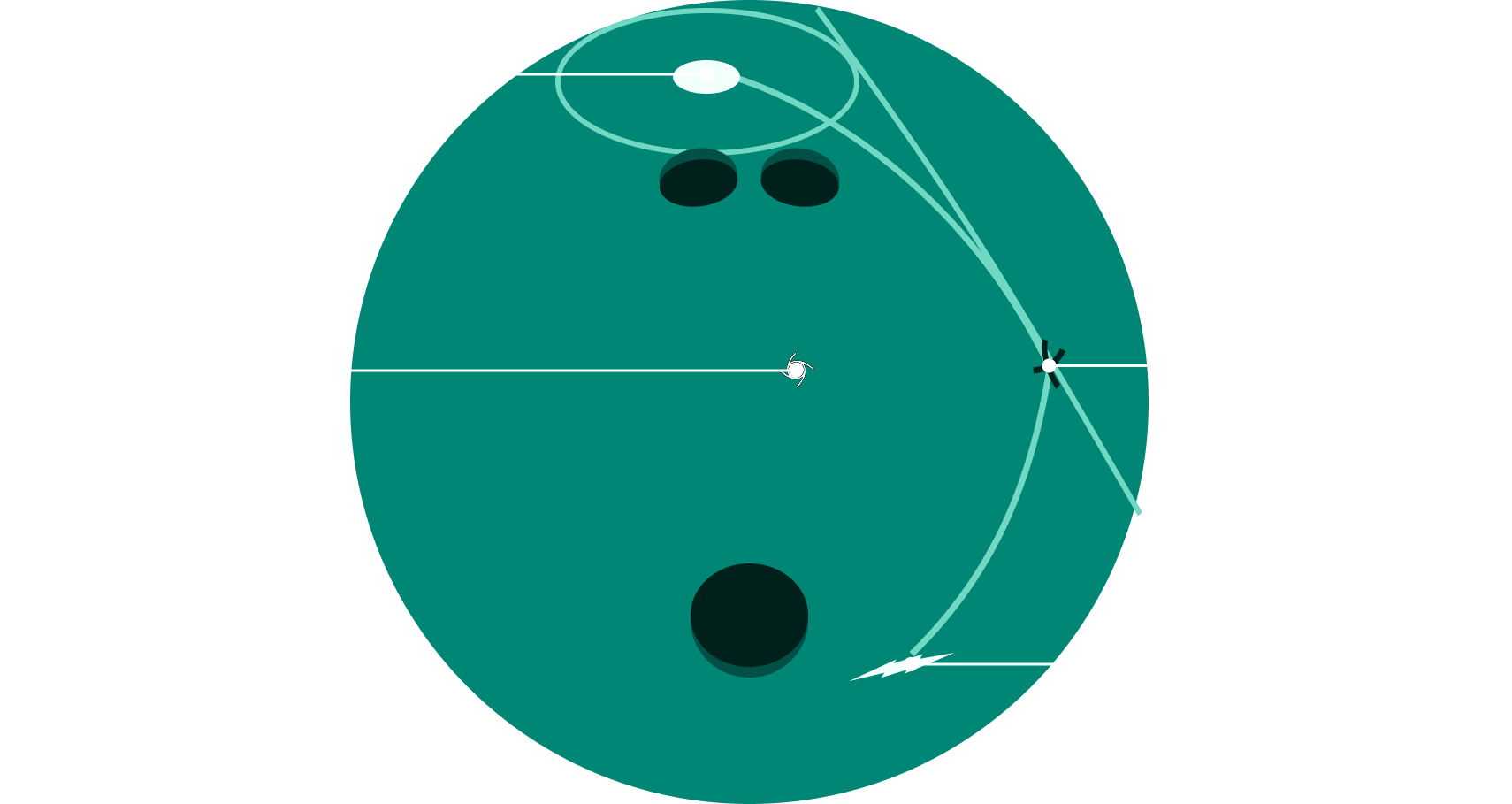
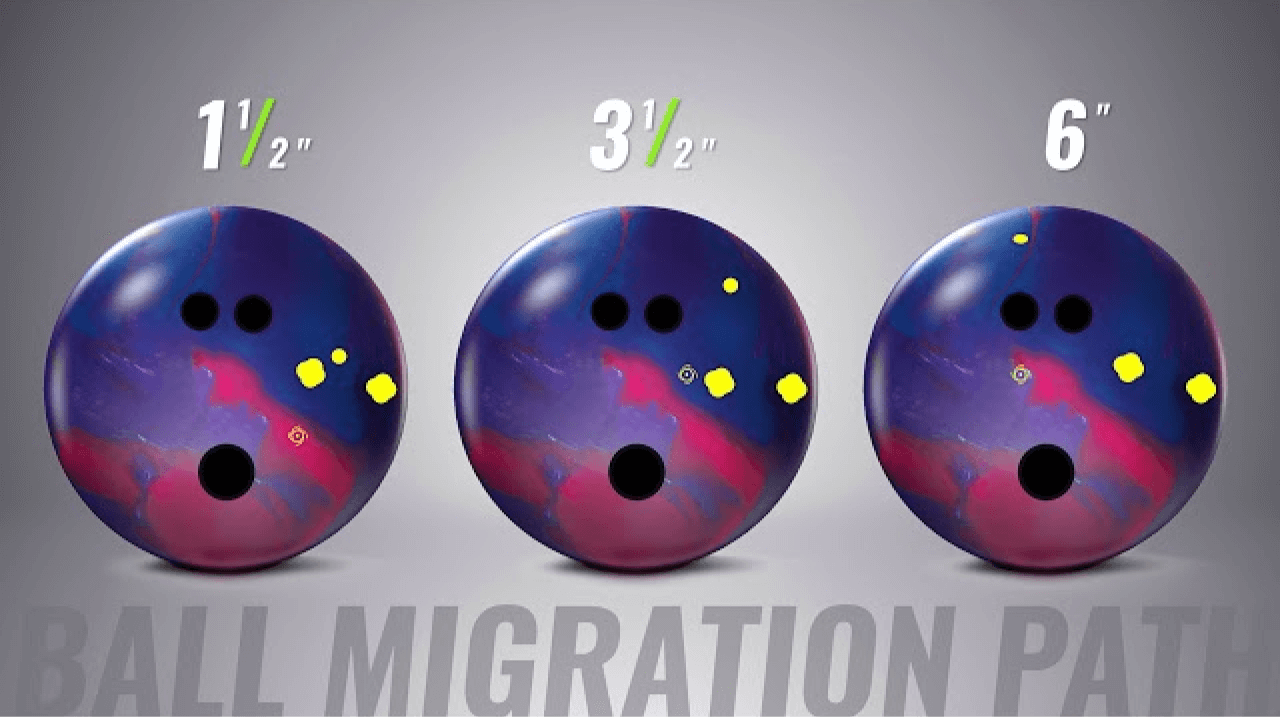
PIN-to-PAP Distance
Controls flare potential
- Shorter distances (0-2”) reduce flare and create a smoother shape when the ball encounters friction.
- Medium distances (3-4”) increase flare and create an earlier stronger shape when the ball encounters friction.
- Longer distances (5-6”) reduce flare and create a cleaner and more responsive shape as the ball encounters friction.
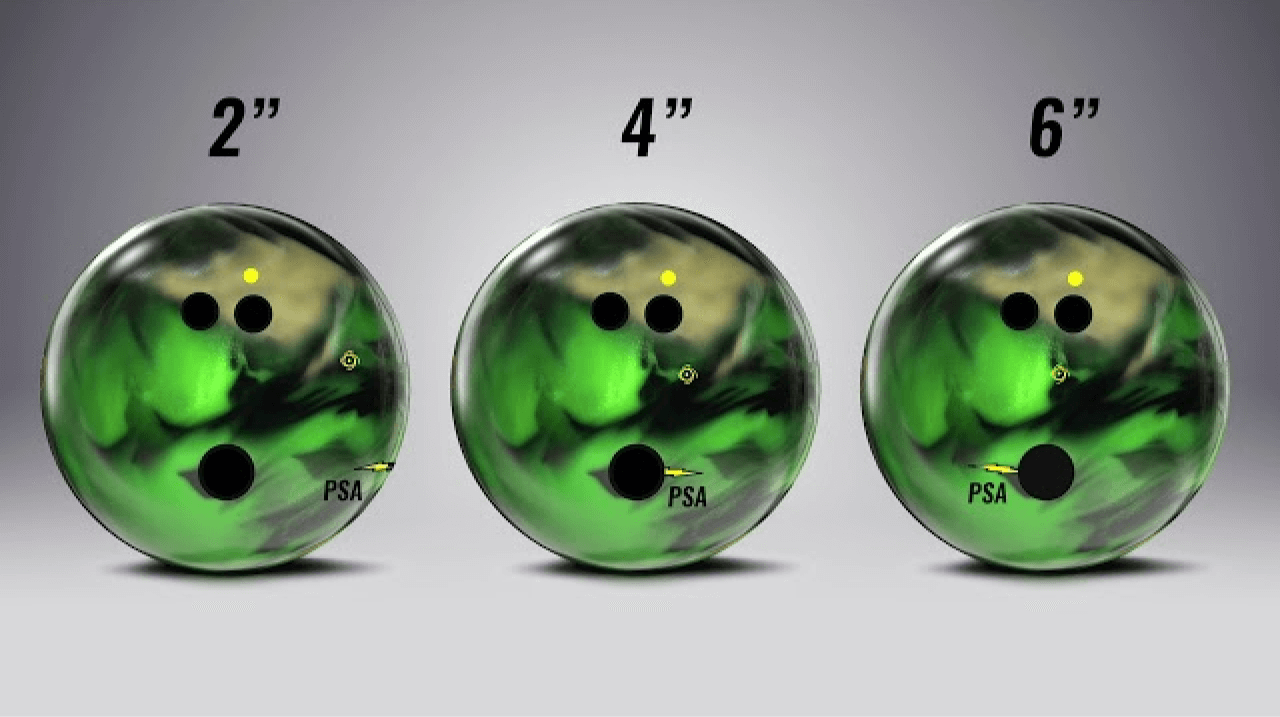
PSA-to-PAP Distance
Controls stability & response strength
- Short distances (0–2”) create a more stable core position, producing smoother transitions with reduced overall motion.
- Medium distances (3–4”) increase instability, creating more flare and a faster, stronger response to friction.
- Longer distances (5–6”) return the core to a more stable position, resulting in less flare, more length, and a smoother overall shape.
Pin Buffer Distance
Controls transition speed
- Short pin buffers (0–2”) create faster transitions, producing a quicker and more aggressive response to friction.
- Medium pin buffers (2–3”) balance response and control, creating a smooth, readable breakpoint.
- Longer pin buffers (3–5”) slow the transition, storing energy longer and producing a smoother, more controlled motion.
Popular Pin Buffer Layouts
These layouts represent the most common combinations used across bowler types and conditions. Each one changes flare potential, hook shape, and downlane motion in a predictable way.
2 × 6 × 1
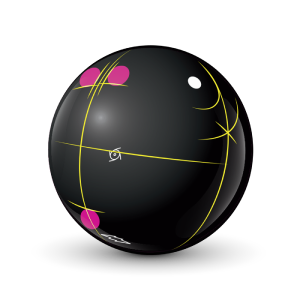
Low RG control layout. Best when lanes are flat and difficult. Very smooth off the end of the pattern with excellent predictability for all styles.
6 × 5 × 3
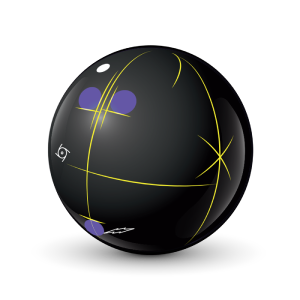
Weakest overall layout. Minimal flare with maximum length. Ideal on burn or extreme friction when control and length are required.
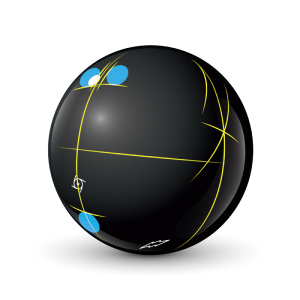
5 × 5 × 4
Clean through the fronts with smoother downlane motion. Ideal for higher-friction surfaces or when a controlled, weaker motion is needed.
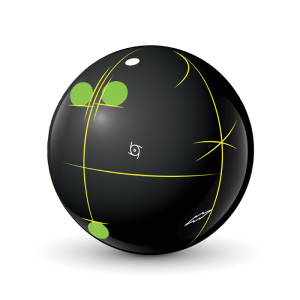
4½ × 3 × 2
Earlier midlane roll with more forward motion downlane. Excellent for speed-dominant players needing stronger stability and predictable continuation.
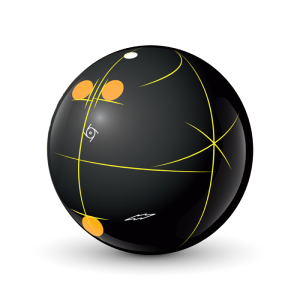
5 × 4 × 2
Balanced shape with predictable motion across almost all conditions. Ideal starting point for building a versatile arsenal.
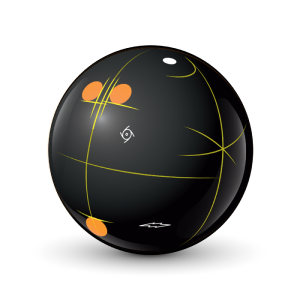
4 × 4 × 1
Strong midlane stability with controlled backend. Excellent for medium-to-heavy oil when a smoother, earlier read is needed.
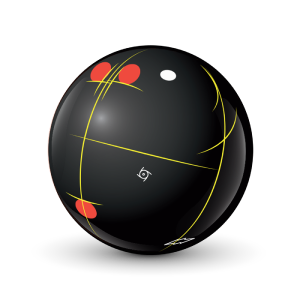
3 × 4½ × 2
Very strong overall layout with high flare potential. Great for rev-dominant players needing earlier roll and a smooth, powerful motion.
Helpful Resources
Video Tutorials
6:42
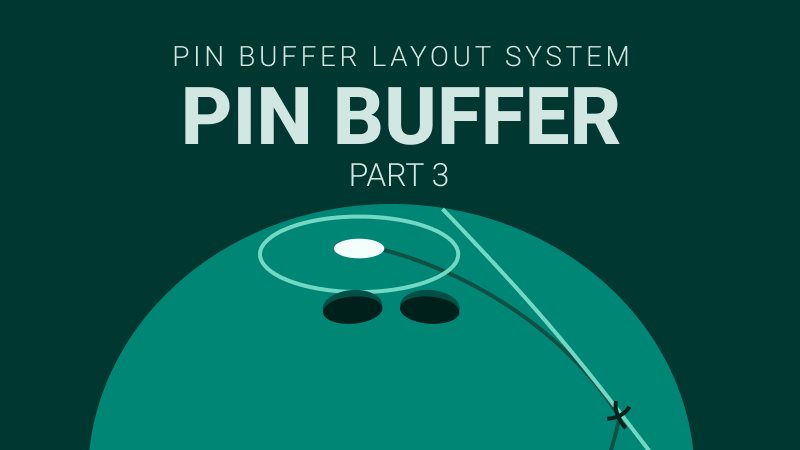
Pin Buffer Layout System Part 3: Pin Buffer Distance
8:12
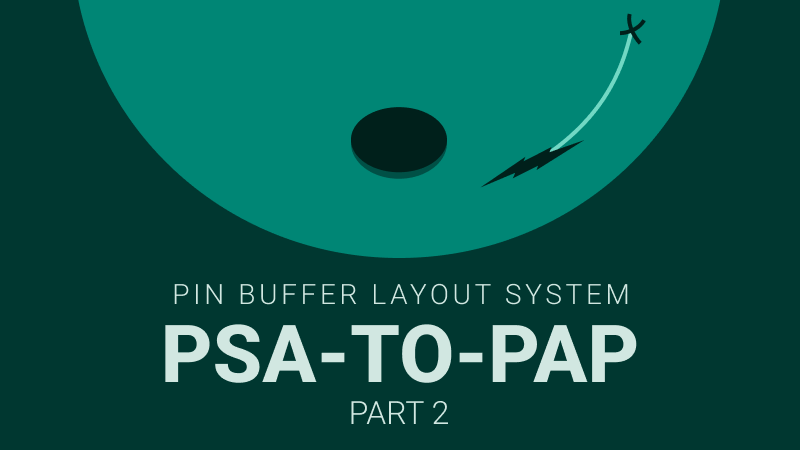
Pin Buffer Layout System Part 2: PSA to PAP Distance
8:38
Pin Buffer Layout System Part 1: Pin to PAP Distance
9:38
How Layouts Affect a Bowling Ball | X-Cell Comparison

3:52
Absolute Power Layout Comparison with Cortez Schenk
4:23
Roto Grip | TNT Layout Comparison
4:23
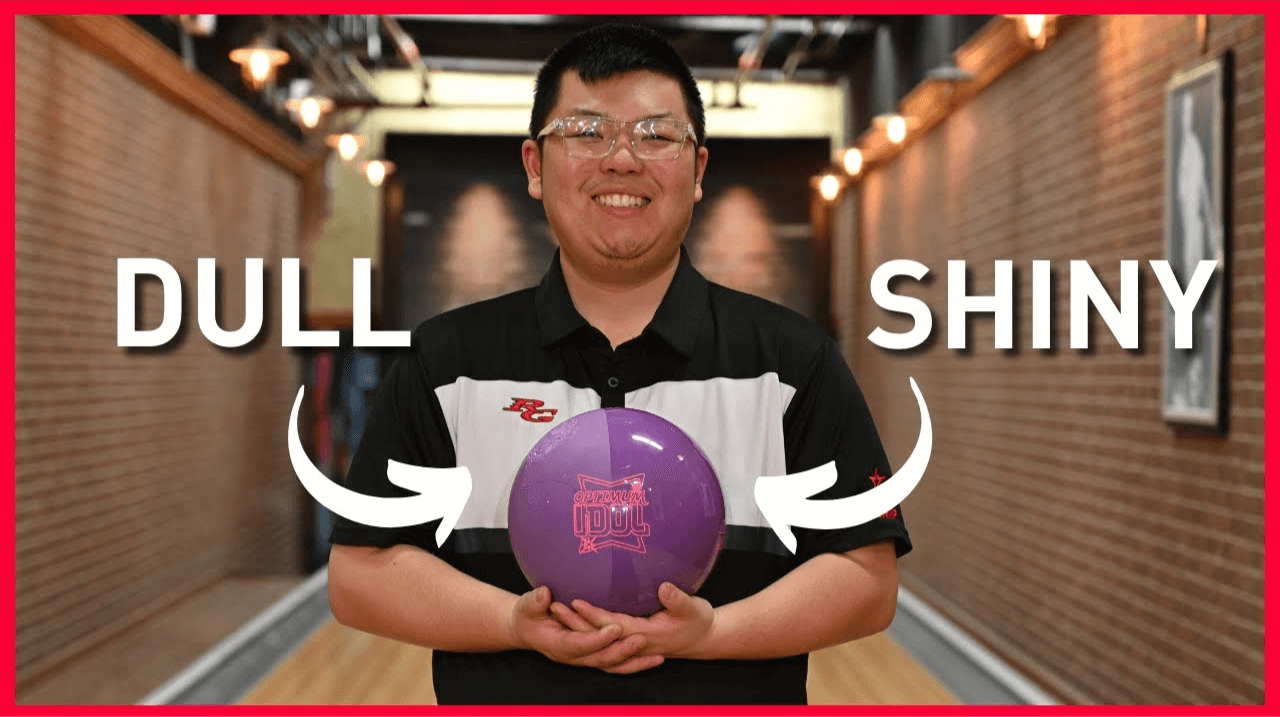
Optimum Idol Surface Comparison
HOW A BOWLING BALL IS LAID OUT
Laying out a bowling ball is a precise process that aligns the core to your unique release.
Example shown is a 4
x 5 x 2 layout with a PAP of 5 over 1 up.
- 1 Draw Pin to PSA Line
- 2 Set Pin to PAP Distance
- 3 Define PSA
- 4 Pin Buffer
- 5 Draw the VAL
- 6 Draw Midline
- 7 Mark Grip Center
- 8 Draw Centerline
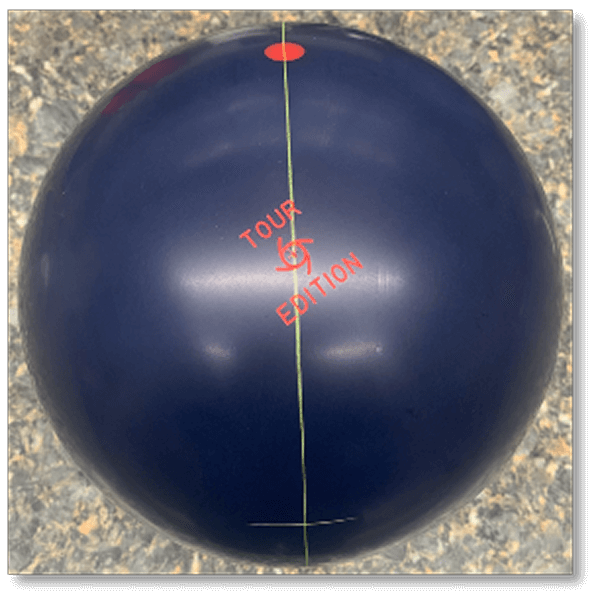
Draw Pin to PSA Line
Draw a straight line from the pin through the PSA (mass bias). This line establishes the reference angle for the layout and is the foundation for all remaining measurements."
Why Bad Layouts Can Ruin Your Experience
When a layout doesn’t match your release or the lane environment, the ball reacts in unpredictable ways. Most bowlers mistake this for a bad ball — when in reality, the layout simply wasn’t built for them.
The Ball Never Reads the Lane
A bad layout can make the ball skid too long or burn too early — never entering a strong, predictable hook phase.
Overly Sharp or Too Forward
Layout mismatch can cause violent, uncontrollable backend motion or a flat, forward roll that can’t carry the corners.
Doesn’t Match Your Style
Speed-dominant and rev-dominant players need different layouts. Using the wrong one leads to constant over/under reaction.
Fights the Core’s Natural Motion
The core wants to rotate a certain way. A poor layout forces it into an orientation that produces weak, inconsistent results.
Creates Unpredictable Ball Motion
When the layout isn’t suited for you, the ball changes reaction shot to shot. This erodes trust and makes adjusting nearly impossible.
It Feels Like the Ball Is the Problem
Many bowlers think they bought the wrong ball — but most of the time, the layout simply wasn’t matched to their release.
“Most bowlers think they bought the wrong bowling ball.
In reality, they bought the right ball with the wrong layout.”
Find a Storm-Certified Pro Shop
Get professional maintenance and keep your equipment performing its best.
