UNDERSTANDING COVER TYPES
URETHANE
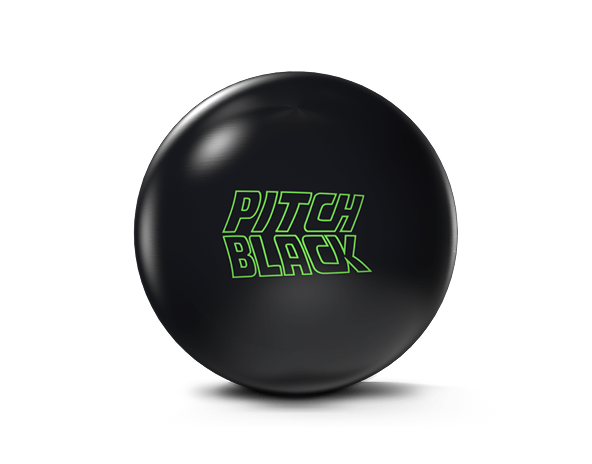
Prioritizes control over angle creation. Used to reduce over/under and manage breakpoint volatility.
SOLID REACTIVE
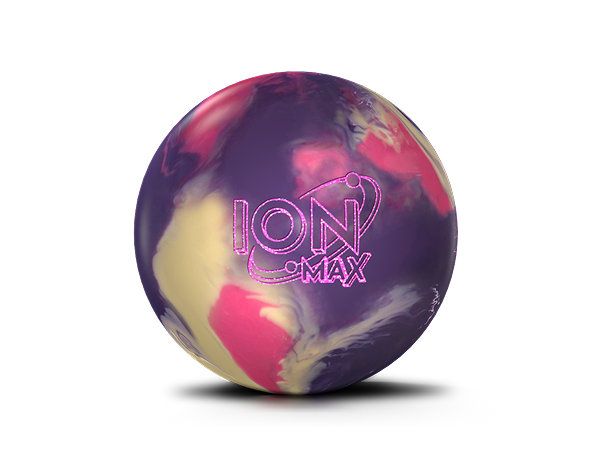
Prioritizes traction and blend. Often used when oil volume demands stability or when smoother transitions are required.
HYBRID REACTIVE
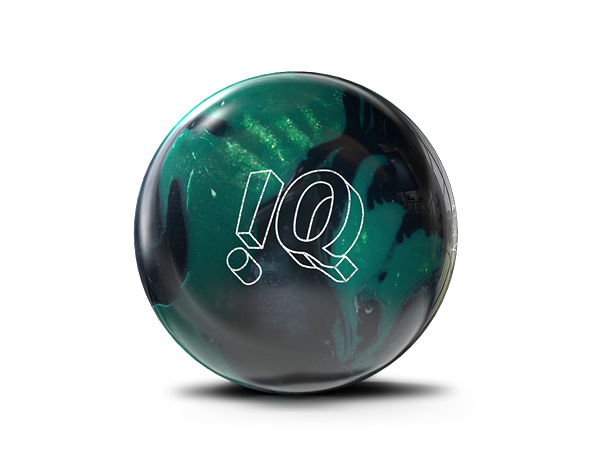
Balances traction and responsiveness. Frequently used as a benchmark-style piece when conditions are uncertain.
PEARL REACTIVE
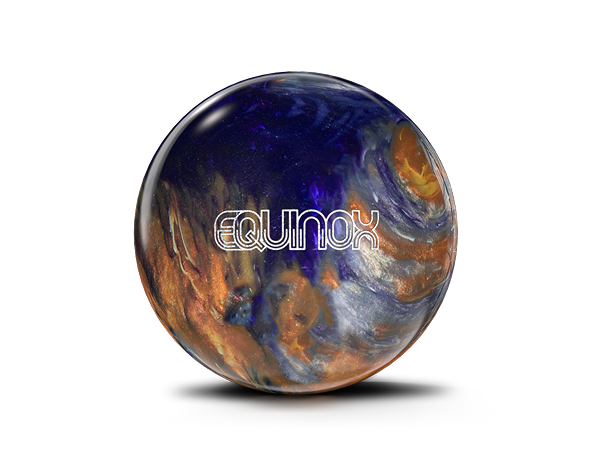
Designed for energy retention and stronger friction response. Often chosen when opening the lane or chasing transition.
HOW TO CHOOSE A COVER FOR YOUR GAME
Match friction timing to your speed-to-rev relationship.
Speed Dominant
- Earlier traction
- Stronger solid reactive covers
- Lower grit surface finishes
When ball speed exceeds rev rate, earlier friction creates midlane stability and stronger continuation.
Rev Dominant
- Cleaner covers
- Pearls or smoother hybrids
- Higher grit surface finishes
Higher rev players benefit from delayed friction to prevent early hook and preserve backend shape.
Balanced
- Benchmark reactive covers
- Hybrid reactive
- Adjust surface as needed
Balanced players prioritize versatility and fine-tune reaction through surface adjustments.
WHAT MAKES A COVER STRONG?
Cover strength isn’t determined by type alone. Chemistry, absorption, and surface finish work together to control friction timing and total traction.
Resin Chemistry
- Oil displacement capability
- Nano vs non-nano particle ratios
- Friction modifiers & additives
Resin formulation determines total traction potential. Nano-enhanced covers increase surface interaction and oil displacement for stronger overall motion.
Porosity & Oil Absorption
- Reactive absorbs oil
- Urethane absorbs minimal oil
- Absorption alters long-term performance
Oil absorption increases friction but requires maintenance. As resin saturates, motion characteristics can change — cleaning and resurfacing restore performance.
Surface Finish
- Factory finish is a starting point
- Lower grit = earlier friction
- Polish = delayed response & energy retention
Surface determines when friction occurs. It does not change chemistry — it shifts motion timing.
YOUR COVER TODAY & YOUR COVER 60 GAMES FROM NOW
Performance changes gradually — until your ball’s reaction isn’t what it once was.
Fresh
Maximum performance. Designed motion window.
Unmaintained
Lane shine & surface wear begins altering friction timing.
Neglected
Dull reaction. Reduced continuation. Less predictability.
Restored
Cleaning and resurfacing bring reaction windows back in line.
HOW COVERSTOCK INFLUENCES BALL MOTION
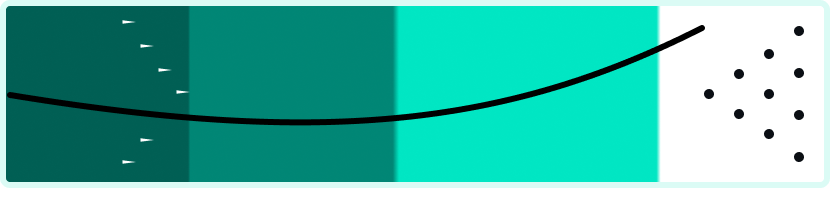
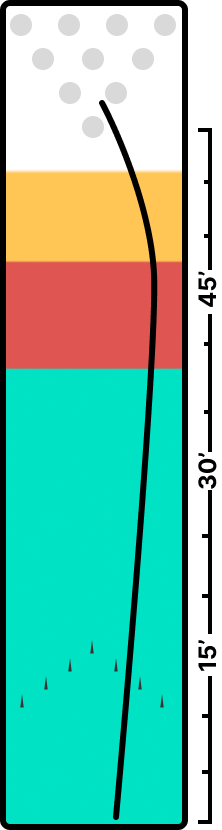
Every bowling ball transitions through skid, hook, and roll. Coverstock determines when friction begins and how aggressively it builds.
SKID
Friction is minimal. Direction is stable.
Stronger covers begin reading sooner. Cleaner covers extend push.
HOOK
Friction increases. Direction changes.
Resin chemistry controls how aggressively the ball transitions.
ROLL
Rotation stabilizes. Energy transfers.
Proper timing creates optimal continuation and carry.
Surface is the #1 tool bowlers use to influence motion.
Toggle between the grits to see how changing surface affects ball motion.
SKID
HOOK
ROLL
UNDERSTANDING COVER BEHAVIOR
This is how experienced players think about cover.
STRENGTH vs SHAPE
These are not the same variable. Strength defines total traction. Shape defines how that traction transitions into roll.
Strength
Total traction potential created by cover chemistry and surface.
Shape
The visual motion window — smooth, defined, or angular.
- A ball can be strong and smooth.
- A ball can be strong and angular.
- A ball can be weaker but appear sharp.
COVERSTOCK vs TRANSITION
Fresh Pattern
Higher volume. Lower friction. Defined oil shape.
- Strong Solids: Create midlane stability and prevent excessive skid.
- Hybrids: Blend the pattern without over-reading early.
- Pearls: Viable for higher rev players who need added length.
Transition
Friction builds outside. Oil carries down.
- Weaker Solids: Control early friction without over-jumping.
- Hybrids: Smooth wet/dry differences and maintain shape.
- Pearls: Allow angle creation but demand breakpoint control.
Dry / Burn
Reduced oil. Increased friction. Shorter motion window.
- Pearls: Delay friction and preserve backend energy.
- Urethane: Manage breakpoint volatility on shorter or flatter patterns.
- Strong Solids: Often expend energy too early to continue.
OIL VOLUME vs LENGTH
Pattern length determines where the ball exits the pattern. Oil volume determines how much traction is required to read it.
Long + Low Volume
May not require maximum traction. Too much strength can cause early burn.
Short + High Volume
Can still demand stronger chemistry. Length alone does not equal friction.
HOW STORM COVERSTOCKS COMPARE
Swipe through our coverstock families to see how they compare in relative strength, motion, and best use conditions. Filter by brand to foucs on Storm, Roto Grip, or 900 Global.
| Coverstock | Type | Traction Potential | Condition Use | Example Balls |
|---|---|---|---|---|
| High Traction | ||||
| EXO™ | Pearl Reactive |
Extreme
|
Heavy Oil | DNA Coil, |
| NeX™ | Pearl Reactive |
Very High
|
Heavy Oil | Physix Blackout, |
| ReX™ | Pearl Reactive |
High
|
Heavy Oil | IDentity (B/C/P), IDentity, Lightning Blackout, Virtual Energy Blackout, |
| NRG™ | Solid | Hybrid | Pearl Reactive |
High
|
Heavy Oil | Ion Max, Ion Max Pearl, Bionic |
| Moderate Traction | ||||
| TX-16™ | Solid | Hybrid | Pearl Reactive |
Moderate
|
Heavy | Medium Oil | Phaze II, Ion Pro, Ion Pro Solid |
| A2S™ | Solid Reactive |
Moderate
|
Heavy | Medium Oil | Equinox Solid |
| A1S™ | Pearl Reactive |
Medium
|
Heavy | Medium | Light Oil | Equinox, Hy-Road 40 |
| R3S™ | Pearl Reactive |
Medium
|
Medium | Light Oil | Next Factor |
| Low Traction | ||||
| R2S™ | Solid | Pearl | Hybrid Reactive |
Low
|
Medium | Light Oil | !Q Tour A.I, !Q Tour, Hy-Road |
| R2S Deep™ | Pearl | Solid Reactive |
Low
|
Medium | Light Oil | Absolute Power, Road Warrior |
| Reactor | Solid | Pearl | Hybrid Reactive |
Very Low
|
Medium | Light Oil | Tropical Surge, Typhoon |
| RPM™ | Solid Reactive |
Very Low
|
Medium | Light Oil | Level |
| Urethane | ||||
| Controll™ Urethane | Solid Urethane |
Medium
|
Shorter patterns | Pitch Black |
| Controll 78™ Urethane | Solid Urethane |
Medium
|
Shorter sport patterns | Pitch Black 78/U |
| U1S™ | Urethane |
Medium
|
Short & low volume | Mix |
HOW COVERSTOCK & WEIGHTBLOCK COMBINATIONS INFLUENCE REACTION PROFILE
Every Storm, Roto Grip, and 900 Global ball is built by pairing a coverstock with a core. Think of it like tuning an engine with the right tires — the match matters more than either piece alone.
EQUINOX
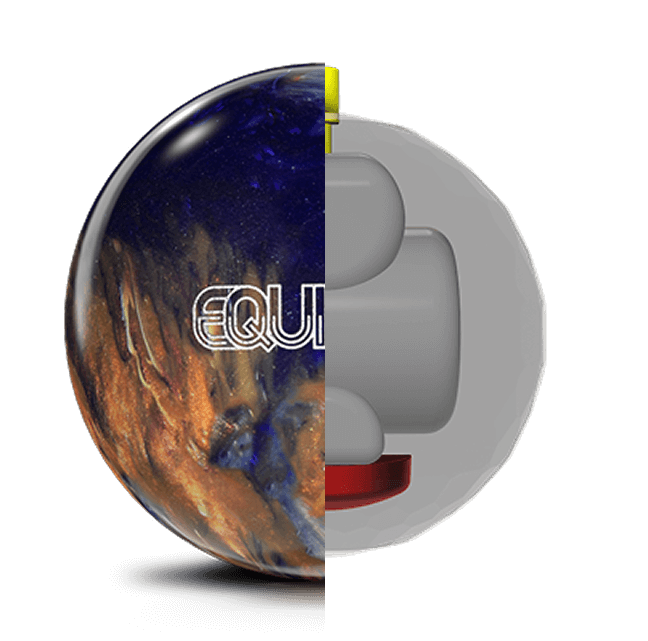
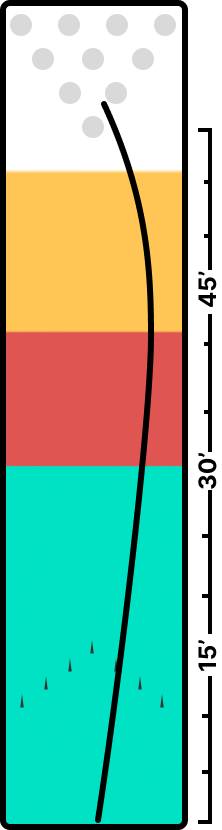
A1S COVERSTOCK
SOLARION + A.I. CORE
The Solarion A.I. Core is designed with three distinct cylinders that optimize motion. The largest cylinder lowers the RG for fast revving and a tumbling front-lane read. A top cylinder enhances drilling versatility, while the lightweight base increases torque and continuation. This unique design creates the classic skid-flip reaction Storm is known for, with added control and power.
Hy-Road 40
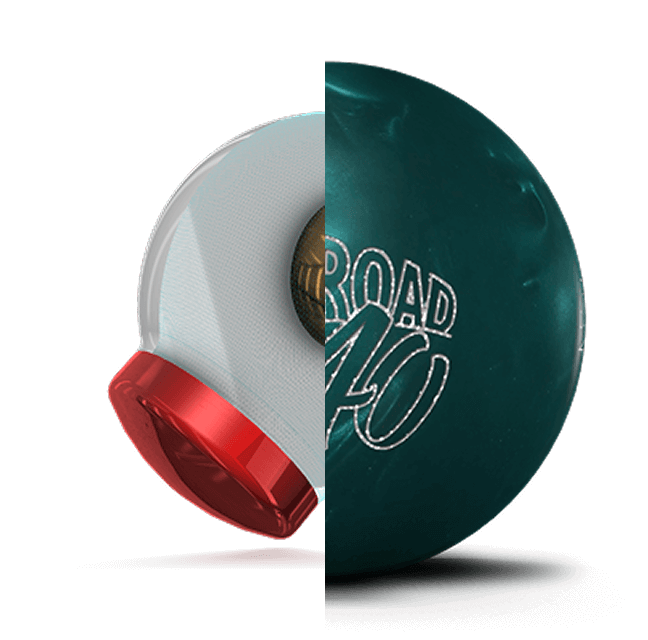
A1S COVERSTOCK
Inverted Fe² Technology
Inverted Fe2 technology boasts a higher RG and differential like most other balls in the Thunder Line, but with one very important benefit: it lacks the core material that most other balls have. This enables the ball to have a much thicker shell which raises the coefficient of restitution. A higher energy transfer to the pins with less deflection upon impact is what can be expected with this design.
Coverstock Confusion: Common Questions Answered
Motion & Type Confusions
Yes. Surface prep and resin chemistry matter more than the label. A polished solid can go longer than a sanded pearl.
Absolutely. Pair a pearl with a smoother core or add surface, and it can roll very controlled.
With the right chemistry (like NeX Pearl), yes. Modern pearls can be stronger than older solids.
Not always. Some lean more “solid-like,” others more “pearl-like” depending on the formula.
Surface & Hook Confusions
Sanding roughens the surface, creating more friction in the front part of the lane.
Because it delays the read, saving energy for the backend.
Surface can shift motion earlier/later, but it can’t change the resin chemistry. Weak resin stays weak.
Longevity & Maintenance Confusions
Reactive covers absorb oil. Without cleaning, the cover loses grip.
Yes. Even if you don’t see scratches, micro-scratches and lane oil absorption change performance over time.
Urethane absorbs little to no oil, so it doesn’t “die” the same way reactive resin does.
